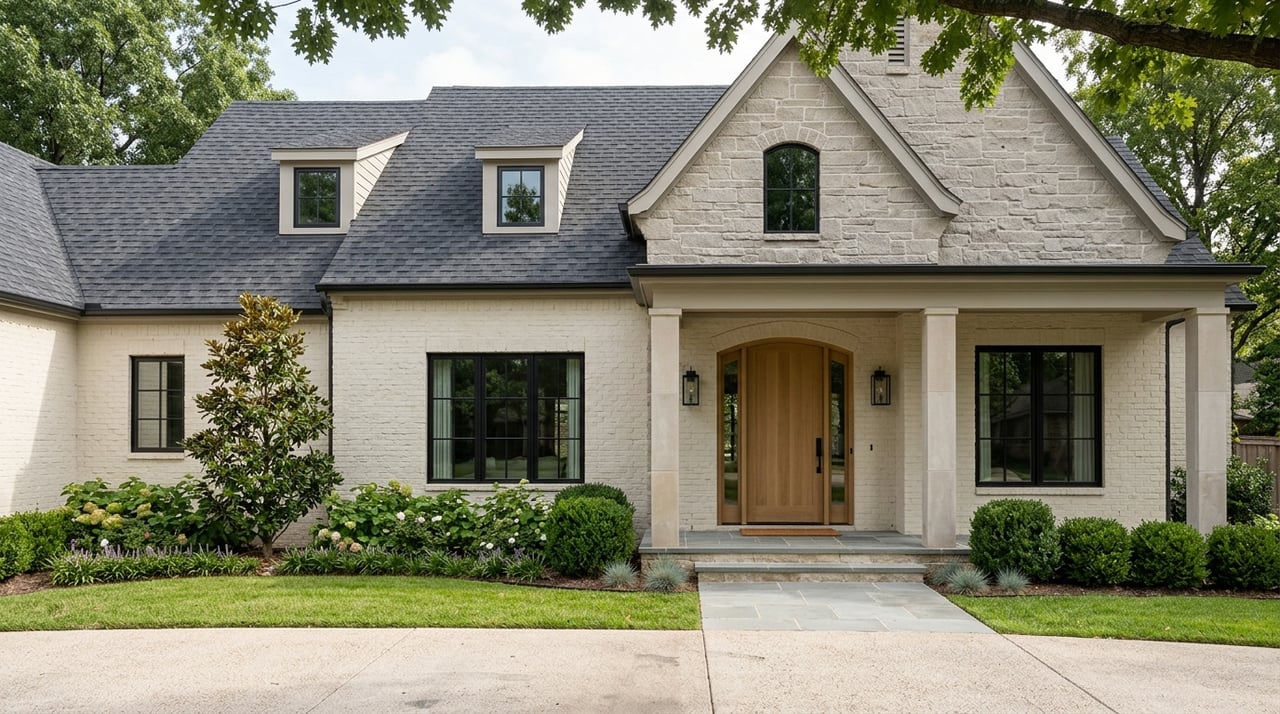
Milton GA New Construction vs Resale: What to Know
June 11, 2026
June 11, 2026
If you are deciding between a brand-new home and a resale in Milton, you are not just choosing a house style. You are weighing timeline, location, maintenance, HOA obligations, and the true all-in cost in one of North Fulton’s higher-priced markets. The good news is that once you know what to compare, the choice becomes much clearer. Let’s dive in.
Milton is a premium market, and recent reports show just how wide the pricing range can be depending on the source and measurement. Zillow reported an average home value of $951,308 as of April 30, 2026, while Redfin reported a median sale price of $1.129 million for the three months ending April 2026. Realtor.com reported a median listing price of $1.375 million and a median sold price of $1.025 million in March 2026.
Those figures are not interchangeable, but they point to the same conclusion. Milton is a high-price market where condition, lot size, financing, and location can have a major impact on value. That is why the new construction versus resale decision deserves a careful side-by-side review.
Milton’s land-use framework also shapes what buyers will find. The city says more than 90% of its land is low- or very low-density residential, with denser growth more concentrated around Crabapple and Deerfield/GA 9. In practical terms, that means true new construction in Milton is often more limited than in many surrounding suburbs.
New construction can be attractive if you want a home with modern design, newer systems, and less immediate repair risk. Many buyers also like the idea of moving into a property that has had little or no prior wear and tear. In a market like Milton, that peace of mind can feel especially valuable.
Another draw is the potential for builder incentives. Realtor.com found mortgage-rate buydowns on 4.6% of new-build listings compared with 1.2% of existing-home listings in late 2024, and said those incentives are more common in the South. With Freddie Mac reporting the 30-year fixed-rate average at 6.48% on June 4, 2026, even a small buydown can make a meaningful difference in your monthly payment.
New homes also often come with builder warranty coverage. According to the FTC, most newly built homes include warranties that may cover permanent parts of the home, such as concrete, plumbing, or electrical work. That does not mean every item is covered, but it can offer more short-term predictability than many resale homes.
Resale homes offer a different kind of value. In Milton, they may give you more options in established neighborhoods and areas where new inventory is limited. Because much of the city is preserved as low-density residential, resale inventory may open the door to locations and lot settings that are harder to find in a brand-new build.
Resale can also offer a more predictable closing timeline. The house is already built, so you are not waiting on construction schedules, inspections during the build, or final completion items. Your main timing variables are usually inspection, appraisal, and financing.
You may also get a better sense of the full property from day one. With a resale, you can evaluate the actual lot, mature landscaping, traffic patterns, storage, room sizes, and any visible maintenance history before you make your decision. That level of certainty matters to many buyers.
One of the biggest mistakes buyers make is comparing only the list price or base price. For new construction, the full cost may include lot premiums, structural options, design upgrades, closing costs, HOA initiation fees, and any changes made after signing. For resale, your costs may be shaped more by inspection findings, repairs, updates, and near-term replacement needs.
National data show that the new-home premium can vary depending on how it is measured. NAHB and the Census Bureau reported a Q1 2025 median new-home sale price of $416,900 versus $402,300 for existing homes, while Realtor.com found a 13.7% premium in late 2024 and a 14.3% premium in late 2025 using median listing prices. The lesson for Milton buyers is simple: compare the total package, not the headline number.
If you are considering new construction, you may be offered incentives through a builder-affiliated lender. That can be worth exploring, but it should not be your only quote. The FTC recommends comparing details from several lenders or brokers, including APR, points, closing costs, taxes, insurance, and the Loan Estimate and Closing Disclosure.
That matters because the lowest advertised rate is not always the lowest total cost. A builder incentive may be attractive, but you still want to understand whether the full financing package is truly the best fit for your budget and long-term plans. In a market at Milton’s price point, small differences can add up quickly.
A resale home can often close on a more predictable schedule because the structure is already complete. Once you have financing, inspections, and appraisal lined up, you are usually dealing with a more straightforward timeline. That can be especially helpful if you need to coordinate a sale, a lease ending, or a relocation schedule.
New construction usually comes with more moving parts. In Milton, building permits are required for construction activity, and the city processes permits through its CityView portal. Construction is also subject to periodic inspections, and depending on the project, zoning, subdivision regulations, use permits, variances, or Design Review Board steps may also matter.
For you as a buyer, that means it is smart to ask what approvals are complete and what is still pending. You should also ask about inspection milestones, punch-list timing, and expected certificate-of-occupancy timing. A beautiful new home can still come with delays if the final steps are not finished on schedule.
With resale, the condition question is front and center. The age of the roof, HVAC, water heater, windows, and other major systems can affect both your budget and your confidence in the purchase. That is why inspection contingencies matter so much.
Consumer guidance from the CFPB and HUD emphasizes using a home inspection before closing or making the contract contingent on a satisfactory inspection. That gives you the chance to renegotiate repairs, ask for concessions, or walk away if serious issues show up. In a resale purchase, that inspection period is one of your most important tools.
With new construction, the focus shifts. Instead of wondering how old the systems are, you are looking more closely at warranty coverage, permit status, inspection milestones, and punch-list follow-up. The lower maintenance risk at move-in can be appealing, but you still need to read the warranty carefully and document unfinished or corrected items.
Whether you buy new construction or resale, HOA due diligence matters. The CFPB notes that buyers in planned subdivisions or other organized communities with shared services usually have to pay HOA dues. Those fees can affect your monthly housing cost more than you may expect.
You will also want to review the rules, architectural controls, reserve funding, insurance coverage, and any special assessments. If there are rental restrictions or use limitations, those should be clear before you close. These details can affect your day-to-day flexibility as well as future resale plans.
In Milton, location often settles the debate. Because the city preserves much of its land as low- or very low-density residential and focuses denser growth in certain corridors, new construction may be concentrated in more specific pockets, including areas tied to Crabapple and Deerfield/GA 9. If you want a particular part of Milton, resale may give you more opportunities.
On the other hand, if you want newer finishes, a more current floor plan, and less immediate maintenance, you may be willing to be flexible on exact location. This is where neighborhood knowledge and a clear buying strategy can save time. Sometimes the right answer is not new versus resale in general, but new versus resale in the part of Milton that best fits your priorities.
If you value customization, lower short-term maintenance, and possible builder incentives, new construction may be the better choice. If you value a faster move, established surroundings, and the ability to inspect the exact home before you commit, resale may be the better fit. Neither option is automatically better. The right choice depends on what matters most to you.
A smart way to decide is to rank your priorities before you tour homes. Think about budget, move-in timing, preferred location, HOA comfort level, and how much ongoing maintenance you are willing to take on. Once those priorities are clear, the tradeoffs become much easier to evaluate.
If you are comparing homes in Milton, it helps to look beyond the listing photos and ask the practical questions early. A clear side-by-side strategy can keep you from overpaying, underestimating timeline risk, or missing costs that show up later. If you want expert guidance on weighing new construction against resale in North Fulton, Courtney Lott can help you compare the options with a local, data-backed approach.
Stay up to date on the latest real estate trends.

Whether you’re buying or selling in Atlanta, Courtney offers the expertise, integrity, and insight to guide you with confidence and care. Partner with her today!