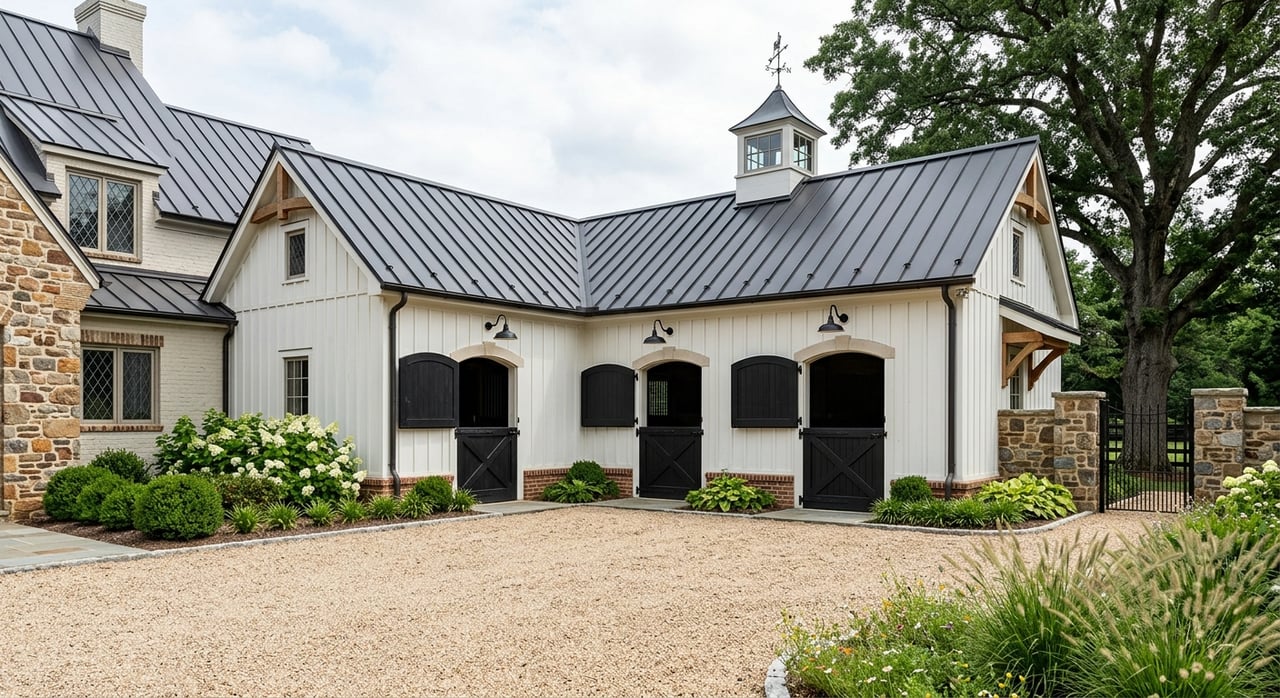
Milton Equestrian Properties Guide for Acreage Buyers
May 14, 2026
May 14, 2026
Looking for a place where horses are part of daily life, not just a weekend hobby? In Milton, that lifestyle is woven into the city’s identity, with large lots, visible horse farms, and public planning that supports a rural feel. If you are considering an acreage property here, it helps to know what makes Milton different and what to verify before you buy. Let’s dive in.
Milton is not simply a suburb with a few scattered barns. The city presents itself as an equestrian community, maintains a standing Equestrian Committee, and reported more than 200 active horse farms in its 2024 farm census. That tells you the horse lifestyle here is established, visible, and supported by local policy.
Just as important, horse properties in Milton are dispersed throughout the city instead of being limited to one isolated pocket. That gives buyers more flexibility if you want acreage with a rural setting while still comparing different corridors, road networks, and property layouts.
Milton’s equestrian appeal is closely tied to its low-density development pattern. The city says an early sewer-line agreement with Fulton County helped keep more than 90% of land inside city limits as low- or very-low-density residential. In practical terms, that has helped preserve the open, rural character that many acreage buyers want.
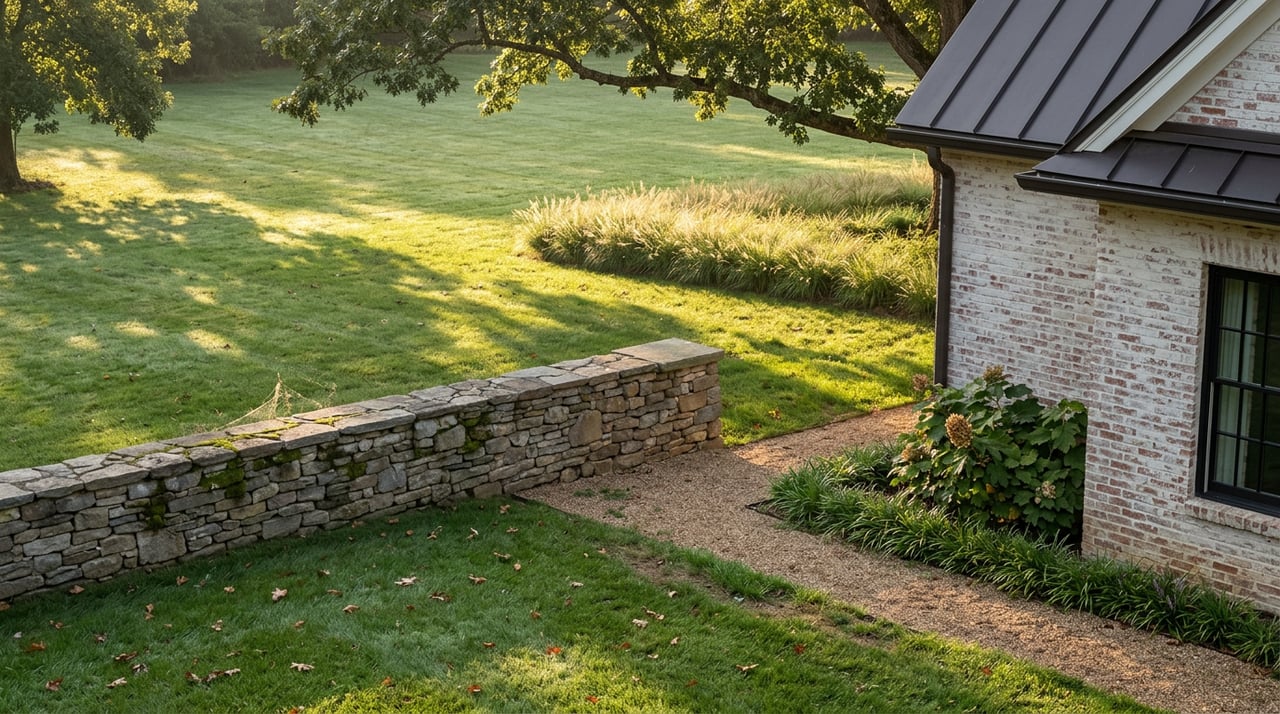
That rural feel affects more than the view from the road. It also influences how homesites, barns, driveways, and fenced pasture areas fit into the land. In Milton, a great horse property is often about both the acreage itself and how the property is positioned within the landscape.
If you are shopping for acreage in Milton, zoning should be one of your first checkpoints. The city describes AG-1 agricultural zoning as its most common zoning category, and that makes it especially relevant for buyers who want flexibility for horses and related uses.
Milton increased the minimum width for future AG-1 lots at the building line to 150 feet while keeping minimum lot size at 1 acre or more. At the same time, the city has continued to discuss AG-1 subdivision parameters and setbacks, which means parcel-specific verification is essential. You do not want to assume that what works on one property will automatically work on another.
When you tour acreage communities in Milton, it helps to move beyond the home itself and evaluate the property as a working site. A beautiful house on a large lot is not always the same thing as a horse-ready property.
Here are some of the most important items to review:
These details matter because larger improvements like barns, arenas, grading, and driveways can trigger permits under Milton’s land-development rules. If you plan to customize a property after closing, that due diligence can save time, money, and frustration.
Local code also shapes what daily ownership looks like. Outside agricultural zoning, Milton says a single premises may keep up to 5 horses, mules, asses, or cows, with square-footage rules applying on non-AG-1 land. Public or commercial horse facilities are treated differently.
For buyers, the takeaway is simple: do not rely on a general impression of the lot. Verify how many horses the property can support under current rules and whether your intended use fits the zoning and site conditions. This is especially important if you are comparing AG-1 land with non-AG-1 acreage.
In Milton, rural character is protected through visual standards, including rural viewshed setbacks. The city has also emphasized scenic corridors, tree canopy, and how development appears from the road. That means the right acreage property is not only about how many acres you get, but also how those acres function.
For example, you may want to think about where the home sits on the lot, where a barn could go, how fence lines will read from the street, and whether trailer access feels easy and safe. A parcel may look large on paper but still be a poor fit if the usable area is limited by setbacks, access constraints, or layout challenges.
A workable horse property needs more than pasture and a pretty entrance. Everyday functionality matters, especially if you plan to keep horses at home rather than board elsewhere.
Useful features often include:
UGA Extension notes that horse gates should be wide enough for equipment access. The same guidance also points out that rotational grazing and mowing can help maintain pasture health, which becomes especially important when you want your land to stay usable over time.
One of the most common questions buyers ask is how much land is enough. According to UGA guidance for Georgia, a practical benchmark in north-of-fall-line areas is about 2 acres of perennial pasture per mature horse.
That number is helpful because it brings the conversation back to land use, not just lot size. A 3-acre or 4-acre property may sound generous, but the truly usable pasture area can be smaller once you factor in the house, driveway, setbacks, barns, and other improvements. This is one reason acreage buyers benefit from a detailed, property-by-property review.
It is easy to focus on the cost of the home and land, but horse ownership also comes with ongoing operating expenses. One Extension guide suggests planning for at least $1,000 to $2,000 per horse per year for feed, health care, farrier work, veterinary care, and equipment, before boarding costs.
Actual costs vary based on whether care is outsourced and whether the property already has infrastructure like a barn or arena. Hay is also a major feeding expense, which is worth remembering when you compare a polished estate property with a more basic parcel that may need upgrades.
Milton does not revolve around one master-planned equestrian district. Since horse farms are spread across the city, it often makes more sense to think in terms of corridors and character areas.
If you want a strong rural-equestrian feel, Arnold Mill stands out. The city describes it as a picturesque corridor, notes that most of the area is zoned AG-1, and says there are no plans to extend sewer there. That supports the kind of large-lot, lower-density setting many acreage buyers are looking for.
The city also says the Arnold Mill hamlet overlay was designed to preserve the corridor’s rural character while focusing denser development into smaller nodes. For buyers, that can translate into a more consistently rural experience along much of the corridor.
If public horse-friendly amenities matter to you, the Freemanville/Birmingham area is another important option. Milton’s Trails Advisory Committee works on connectivity and access to nature trails, including opportunities to walk, bike, and ride horses around the city.
Freemanville-Birmingham greenspace includes fenced space and a parking area large enough for horse trailers to turn around. Birmingham Park has also received equestrian-friendly upgrades aimed at making it more attractive to trail riders. If trail access is part of your lifestyle, this corridor deserves a close look.
Buying an acreage property in Milton is often more nuanced than buying a typical suburban home. You are evaluating land, layout, zoning, access, maintenance, and future improvement potential all at once.
A smart buying approach usually includes these steps:
This kind of planning helps you separate properties that simply look the part from those that truly support the lifestyle you want.
In Milton, the equestrian lifestyle is real, but it is not one-size-fits-all. Two homes with similar acreage can offer very different outcomes depending on zoning, usable pasture, road frontage, setbacks, and improvement potential.
That is where local, hands-on guidance makes a difference. When you are buying in a market shaped by both rural character and local regulation, it helps to have someone who understands the neighborhoods, the property patterns, and the practical questions to ask before you make an offer.
If you are exploring acreage communities in Milton or trying to decide whether a specific property fits your goals, Courtney Lott can help you evaluate the details with a local, practical approach.
Stay up to date on the latest real estate trends.
Whether you’re buying or selling in Atlanta, Courtney offers the expertise, integrity, and insight to guide you with confidence and care. Partner with her today!