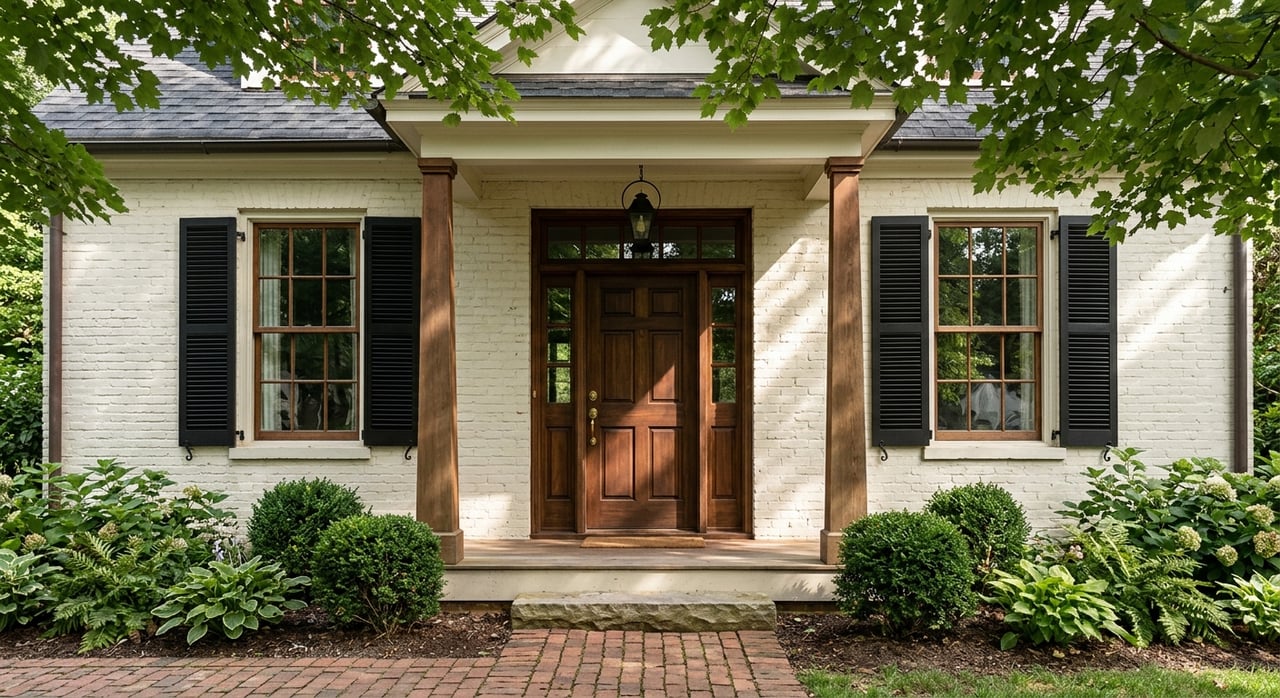
Historic Homes in Roswell GA: Charm, Costs, and Tradeoffs
May 7, 2026
May 7, 2026
Thinking about buying a historic home in Roswell? It is easy to fall for the front porch, original details, and sense of place, but charm is only part of the story. If you are considering an older home in Roswell’s historic area, you need a clear picture of the rules, costs, and renovation tradeoffs before you make an offer. Let’s dive in.
Roswell’s historic-home identity is centered around the city’s 640-acre Historic District. The Roswell Historic District was added to the National Register in 1974 and is associated with Greek Revival architecture, along with broader themes of community planning and landscape architecture.
That history is not just on paper. Roswell also operates landmarks like Barrington Hall and Bulloch Hall, both dating to the 1830s and 1840s, which reflect the city’s long-standing preservation focus. For buyers, that means a historic home in Roswell often comes with both architectural character and a stronger connection to the city’s planning and preservation goals.
Buying a historic home in Roswell is different from buying a newer property because exterior changes may require additional approval. The Roswell Historic Preservation Commission reviews projects in the Historic District, including new buildings, exterior architectural changes, demolition, moving structures, and changes to exterior environmental features.
In simple terms, you may not be able to make visible exterior updates whenever and however you want. Even projects that feel modest, like replacing exterior materials or changing certain design elements, can require review before work begins.
Roswell’s Unified Development Code design guidelines also apply, including within the historic district. The city’s preservation-focused Historic District Master Plan and adopted regulating plan show that downtown preservation is an active part of local planning, not just a historic label.
With a historic home, updates are often more about careful rehabilitation than full-scale reinvention. Preservation guidance emphasizes keeping distinctive materials and features, repairing instead of replacing when possible, and making additions compatible with the original structure while still distinguishable from it.
That matters when you start budgeting. If your vision involves open-ended exterior remodeling or quick cosmetic swaps, a historic property may feel more restrictive than you expect. On the other hand, if you value original character and are willing to work within preservation guidelines, that same structure can be part of the home’s appeal.
One common surprise for buyers is that historic review does not replace regular permit review. Roswell’s building division still enforces Georgia state building, mechanical, plumbing, and electrical codes for permitted work.
So a renovation may involve both preservation approval and standard code compliance. That can affect timeline, contractor coordination, and overall cost. If you are buying with plans to update quickly, it is smart to account for both steps from the start.
The biggest cost risks in an older home are often hidden in the systems, not the finishes. A standard home inspection typically examines areas like electrical, gas, plumbing, roofing, insulation, ventilation, heating and cooling, fireplaces, foundation, crawlspaces, grading, and windows.
Those categories matter because repairs in older homes can become expensive fast. A beautiful facade does not tell you whether the wiring has been updated, whether moisture has affected the crawlspace, or whether foundation movement needs attention.
Historic-preservation rules can also raise the price of exterior work. Because the goal is often repair, compatibility, and visual continuity rather than full replacement, even straightforward projects may require more planning and more specialized execution.
For many older homes, health and safety due diligence is a key part of the buying process. Lead-based paint is especially important to understand in pre-1978 homes.
According to EPA, the older the home, the more likely it contains lead-based paint. EPA reports that 87% of homes built before 1940 and 24% of homes built from 1960 to 1978 contain some lead-based paint. EPA and HUD also require disclosure of known lead-based paint information before the sale or lease of most pre-1978 housing.
Asbestos is another area where buyers should slow down and ask questions. EPA states that the only way to know whether a suspect material contains asbestos is laboratory testing, and testing is recommended when material is damaged or when renovation would disturb it.
This is where a historic-home purchase can change shape quickly. What starts as a cosmetic update plan may turn into a specialist inspection, testing process, and more careful renovation scope than you originally expected.
A smart inspection strategy can help you avoid expensive surprises. If you are buying an older home in Roswell, attend the inspection if you can and use that time to ask focused questions about immediate repairs, near-term maintenance, and whether specialist inspections are needed.
Pay especially close attention to:
Depending on the age and condition of the home, you may also want specialist inspections for concerns such as pests, asbestos, lead, radon, or mold. In an older property, those extra inspections can be money well spent because they help you make a clearer decision before closing.
Buyers sometimes treat the inspection and appraisal as the same step, but they serve different purposes. A home inspection helps you understand condition and repair needs. An appraisal is an independent opinion of value based on the home’s condition and characteristics, along with factors like location, comparable sales, and market trends.
In most financed purchases, the lender requires the appraisal and the buyer usually pays for it. If the appraisal comes in below the contract price, the lender may not approve the full loan amount.
That can create a few possible next steps:
Historic homes can face added appraisal complexity when they have unique features or a smaller pool of truly comparable sales. If you are considering a distinctive Roswell property, ask your lender early how they handle appraisal risk in homes with limited comparables.
When you buy a historic home, paperwork is not just administrative. It helps tell the story of what has been done, what was approved, and what may still need attention.
Ask for records such as permit history, contractor invoices, and any Historic Preservation Commission approvals. That documentation can help you understand whether prior work was properly reviewed and whether future updates may face additional hurdles.
Good records can also be helpful when condition and improvements need to be understood clearly during the transaction. In a home where age and uniqueness are part of the value, details matter.
Historic homes can come with higher maintenance and renovation costs, but Georgia does offer tax programs that may help in some cases. For qualifying owner-occupied primary residences, the Georgia Historic Home Tax Credit Program offers a state income tax credit equal to 25% of qualifying rehabilitation expenses, capped at $100,000.
According to the Georgia Department of Community Affairs, this program is available for owner-occupied primary residences that are locally designated or contributing to a local historic district. Applications are accepted starting October 1, 2025, and rehabilitation work must not begin before January 1, 2026.
Georgia also offers a Preferential Property Tax Assessment Program that can freeze county assessment for more than eight years for qualifying rehabilitated historic properties. The federal 20% historic rehabilitation tax credit generally applies only to income-producing properties, so it usually does not help a typical owner-occupant buyer.
Because eligibility depends on program rules and timing, it is worth checking whether a specific Roswell home may qualify before you finalize your renovation budget.
If you are serious about buying a historic home in Roswell, keep your due diligence focused and practical.
Before you move forward, make sure you:
For the right buyer, absolutely. A historic home in Roswell can offer architectural character, a stronger sense of place, and a living connection to one of North Fulton’s most distinctive areas.
But it is important to go in with your eyes open. The same details that make these homes special can also create added costs, longer timelines, and more limits on how you update the property.
If you want a home with personality and you are comfortable with a more thoughtful ownership experience, a historic Roswell property may be a great fit. If you want maximum flexibility and fewer unknowns, a newer home may align better with your goals.
The key is not avoiding tradeoffs. It is understanding them early so you can buy with confidence. If you are weighing historic homes in Roswell and want practical guidance on location, property fit, and next steps, Courtney Lott can help you navigate the process with local insight and a steady hand.
Stay up to date on the latest real estate trends.
Whether you’re buying or selling in Atlanta, Courtney offers the expertise, integrity, and insight to guide you with confidence and care. Partner with her today!