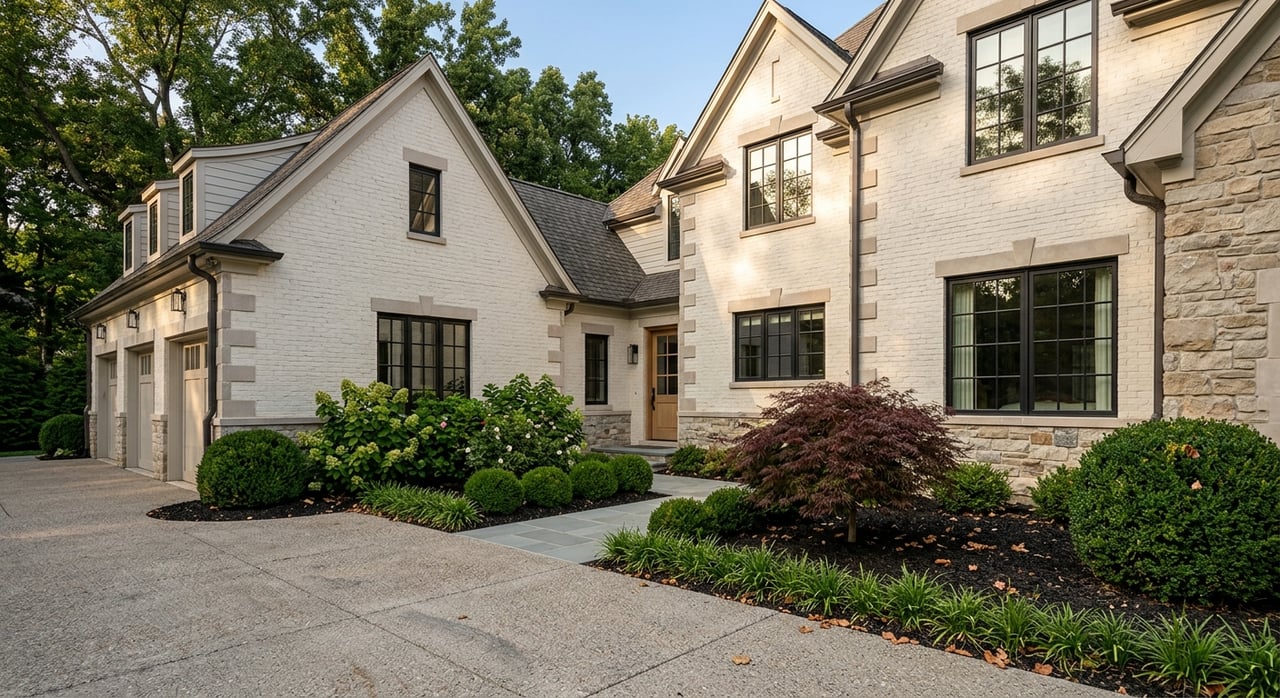
Sell or Rent Your Alpharetta Home? Weigh the Tradeoffs
July 16, 2026
July 16, 2026
Thinking about keeping your Alpharetta home as a rental instead of selling it? It sounds simple at first: collect rent, hold the property, and let it grow in value over time. But once you look at today’s sale prices, average rents, tax rules, and landlord responsibilities in Georgia, the decision gets more personal and more financial. If you are weighing both paths, this guide will help you compare the numbers, the tradeoffs, and the practical reality so you can choose with confidence. Let’s dive in.
If you sell in Alpharetta, you are entering a market that is still moving at a healthy pace. Redfin reports a median sale price of $764,542 for the three months ending May 2026, with homes selling in about 31 days, getting about 2 offers on average, and closing at roughly 98.5% of list price. Zillow also shows a typical home value of $730,793 as of June 30, 2026, with homes going pending in around 28 days.
Those figures measure the market in different ways, so it helps to view them as a range rather than a mismatch. The bigger takeaway is that Alpharetta remains fairly liquid, which can make selling more appealing if your goal is to unlock equity without a long wait.
On the rental side, Zillow lists an average rent of $2,650 across all bedroom counts and property types in Alpharetta, with 208 rentals available and a cool market temperature. Rent was flat year over year as of July 10, 2026. That suggests demand is present, but landlords may not have strong pricing power right now.
For many homeowners, the real question is not which option sounds better in theory. It is which option works better for your finances, your timeline, and your tolerance for ongoing responsibility.
Selling may be the better fit if you want liquidity, want to simplify your life, or want to preserve tax advantages tied to a primary residence. Renting may make more sense if you plan to hold the property long term and the projected numbers still work after all ownership costs are included.
In Alpharetta, the gap between home values and average rents is worth a careful look. Using Zillow’s average rent and typical home value as a rough screen, the gross annual rent yield is about 4.4% before expenses. That is a useful starting point, but it is not enough on its own to justify keeping the home.
Selling often becomes the clearer choice when you want access to your equity now. If you need funds for your next purchase, want to reduce debt, or prefer cash flexibility, a sale gives you a clean outcome instead of tying your wealth to one property.
There may also be a tax reason to act sooner rather than later. If the home is still your main residence, the IRS says you may be able to exclude up to $250,000 of gain, or up to $500,000 on a joint return in most cases, if you meet the ownership and use tests during the five-year period before the sale.
That exclusion can still apply in some cases after renting the property first, but it gets more complicated. Depreciation allowed or allowable during rental use is not excludable and may be subject to recapture. If you are close to the edge of the IRS use window, timing can matter.
Selling can also be the simpler lifestyle choice. Once the property is sold, you are no longer handling repairs, turnover, lease questions, or compliance requirements. For many homeowners, that peace of mind has real value.
Renting can be a smart option if your long-term plan supports it and the property can carry itself financially. This usually works best when you are comfortable holding the home for years, not months, and when you have a realistic budget for ownership costs.
The IRS treats rental income as taxable, but it also allows many common deductions. These can include maintenance, insurance, mortgage interest, repairs, taxes, utilities, management fees, and depreciation. Residential rental property is generally depreciated over 27.5 years once it is ready and available for rent.
That means your decision should focus on net cash flow, not just the monthly rent figure. A home that looks fine on paper based on gross rent may feel very different after you account for vacancy, repairs, insurance, HOA dues, taxes, and management.
Renting may also appeal to you if you expect to return to the home later or want to keep a foothold in Alpharetta. In that case, the property can serve a longer-term personal strategy, not just a short-term income goal.
Before you decide, compare the true economics of both paths. Alpharetta’s average rent data can be helpful for a quick screen, but averages blend condos, townhomes, and single-family homes. Your home may rent above or below that benchmark depending on size, condition, and location.
Start with expected monthly rent, then subtract your likely expenses. Include mortgage payment, property taxes, insurance, HOA dues if applicable, routine maintenance, repairs, vacancy, and any management cost. If the remaining margin is thin, the rental may not offer enough cushion.
You should also factor in property taxes if the home is no longer owner-occupied. Fulton County states that homestead exemptions apply to owner-occupied homes and do not apply to rental properties or second homes. If you convert your primary residence to a rental, your property-tax picture can change.
That single shift can affect your annual carrying cost more than some owners expect. It is one more reason the sell-or-rent decision should be based on your full cost structure, not just rent estimates.
Keeping the home means taking on a new role. Under Georgia’s landlord-tenant guidance, residential landlords must keep the property in good repair and in a safe, habitable condition. That includes maintaining the structure and keeping electric, heating, cooling, and plumbing systems working.
You also need to be ready for lease administration and move-out procedures. Georgia’s handbook says security deposits must be returned within 30 days after the lease ends or the tenant leaves. If money is withheld for damages, the landlord must provide an itemized notice within that same 30-day window.
For tenancies-at-will, the landlord must generally give 60 days’ notice to terminate or change terms, while the tenant generally gives 30 days’ notice to leave. The handbook also notes that accepting monthly rent after a lease expires can create a tenancy-at-will.
If a landlord has more than 10 rental units, including units owned by a spouse and or children, or uses a management agent, a formal move-out inspection may be required to retain the deposit. These rules matter because they affect how much time, documentation, and follow-through ownership really requires.
This decision is not only about spreadsheets. It is also about how you want your next chapter to feel.
If you are relocating, managing a rental from a distance may add stress you do not want. If you are staying nearby and like the idea of long-term ownership, that same setup may feel much more manageable.
You should also think about the condition of the home. A property that needs ongoing repairs, updates, or close supervision may be harder to keep as a low-stress rental. On the other hand, a well-maintained home with strong presentation may be easier to market whether you sell or lease it.
If you are stuck between both options, use this quick framework:
In today’s Alpharetta market, many homeowners find that the answer comes down to tax timing, net return, and lifestyle fit. Because average rent appears modest relative to current home values, the choice often hinges less on gross rent alone and more on your broader plan.
If you are deciding whether to sell or rent out your Alpharetta home, a local strategy can make the numbers clearer. From pricing and presentation to evaluating your next move, Courtney Lott can help you map out the option that fits your goals.
Stay up to date on the latest real estate trends.





Whether you’re buying or selling in Atlanta, Courtney offers the expertise, integrity, and insight to guide you with confidence and care. Partner with her today!